Shopping Cart
There are no more items in your cart
.jpg)
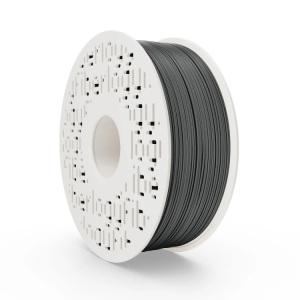


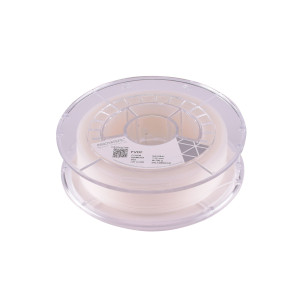
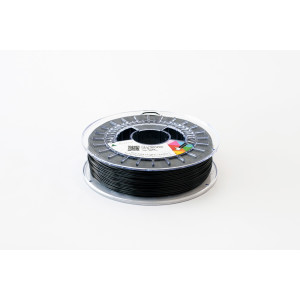

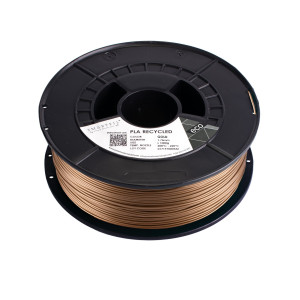

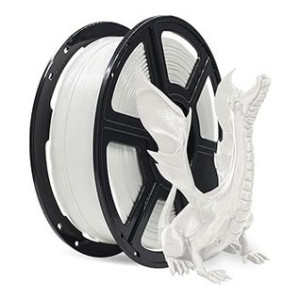


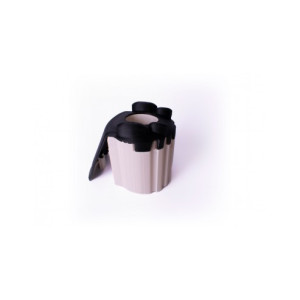
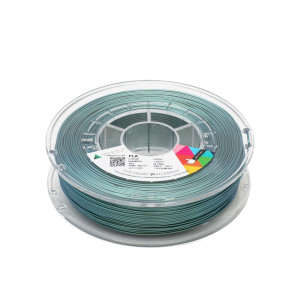


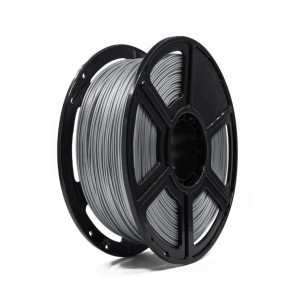
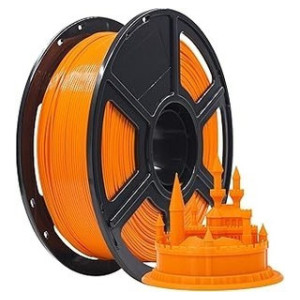
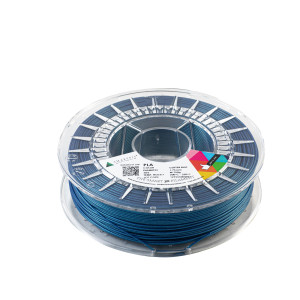
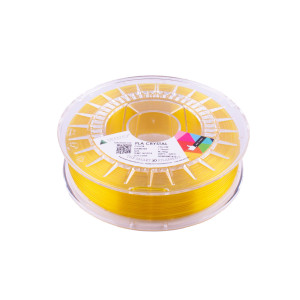
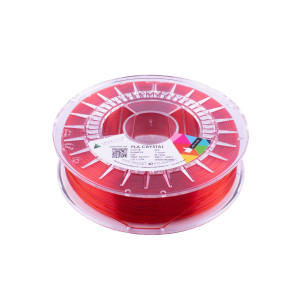






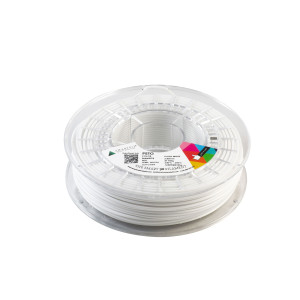

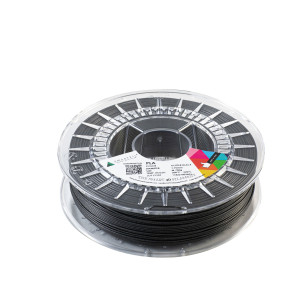

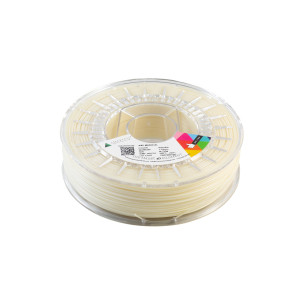
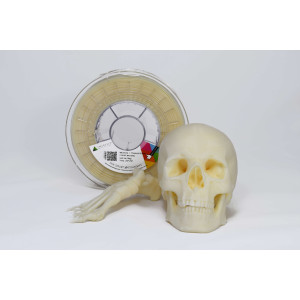
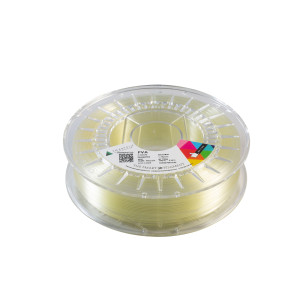
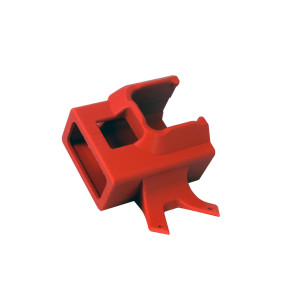
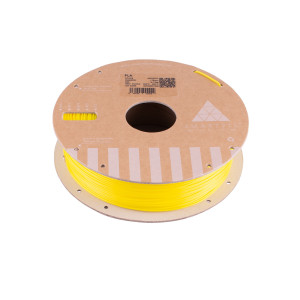
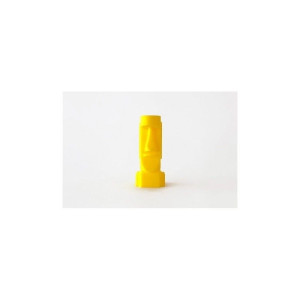
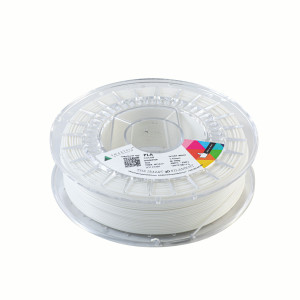
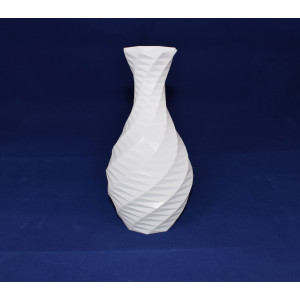
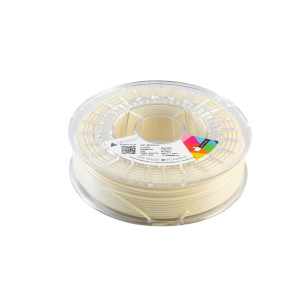
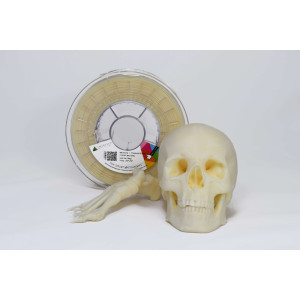
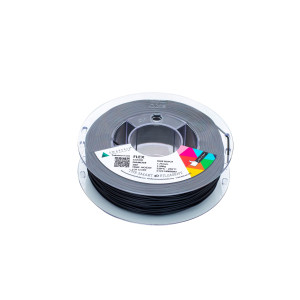
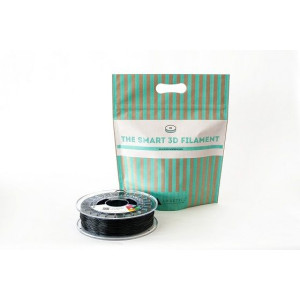
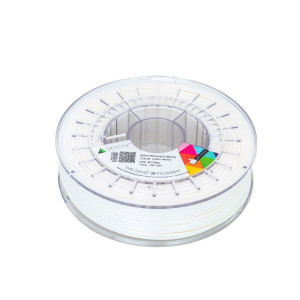
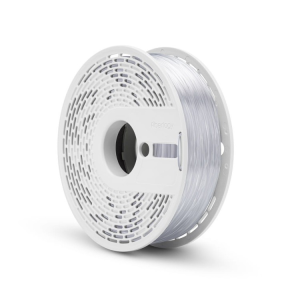
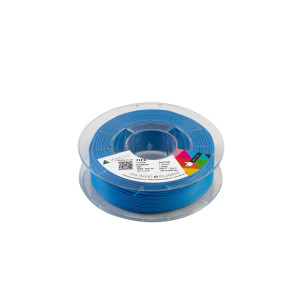
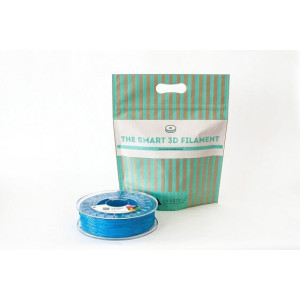
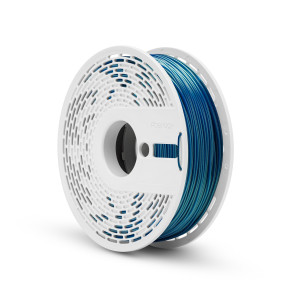
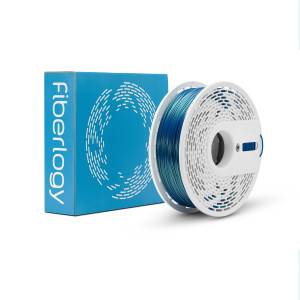
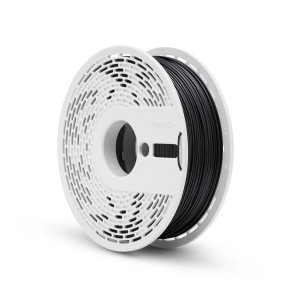
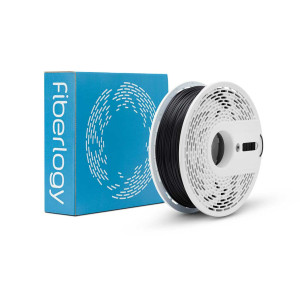
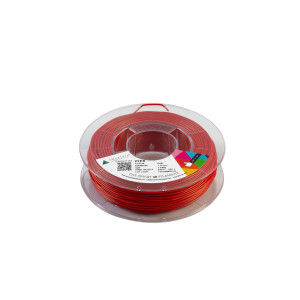
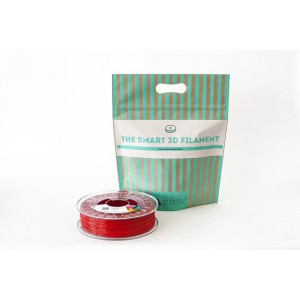
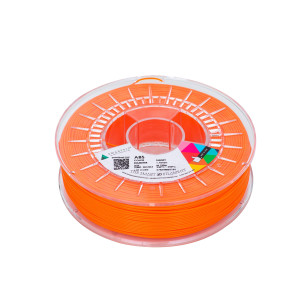


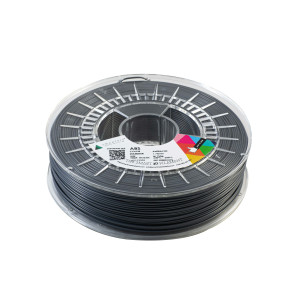

Smart Materials 3D, Fiberlogy, Azurefilm and FlashForge, with more than 1,300 options including colors and diameters.

We help you match filament to your printer and part.
Summarized from the Simplify3D materials guide; use the manufacturer settings on each product page for exact print parameters.

Low cost, stiff and dimensionally accurate. Low heat resistance and not suited to outdoor sun. For prototypes, models and classrooms.

Sticks well to the bed with negligible warping and prints almost odorless. Weak at bridging and prone to stringing. For functional parts.

Good impact, wear and heat resistance. Warps heavily, so use a heated bed and an enclosure.

Strong UV resistance with high impact and wear resistance. The outdoor choice; print with ventilation.

Soft and flexible with excellent vibration damping. Harder to print; a direct-drive extruder is recommended.
Tough, partly flexible, impact and abrasion resistant. Absorbs moisture, so store airtight and dry before use.

High impact and heat resistance; bends without breaking. Needs high temperatures, an all-metal hotend and an enclosure.
Good impact and fatigue resistance with a smooth finish. Hard to stick and prone to warping; print on PP sheet or tape.

Stiffer, lighter and very dimensionally stable. Abrasive; requires a hardened steel nozzle.

A wide range across Easy, Impact and technical lines.
Industrial-grade FDM filament in many materials and colors.
Check your printer: most use 1.75 mm, some use 2.85 mm.
Begin filament selection by describing the part's job. An indoor model, outdoor housing and flexible joint have different requirements. Family selection narrows the options, while exact processing and service data come from the product grade. Standard, high-speed, reinforced and appearance grades do not automatically share settings. Assess colour and gloss separately from mechanical suitability.
Read the base polymer in a carbon- or glass-filled grade too. PA-based and PETG-based products have different moisture and bed requirements. Refill is spool-free packaging rather than another polymer family and needs compatible reusable-spool hardware. Keep file, geometry and loading consistent when comparing series. Values from different test methods do not directly establish a strength ranking. Assess the specimen under its service conditions.
Check filament diameter and the feeder's spool requirements. Nozzle material, temperature and chamber capability must match the grade. Review feeding for flexible filament, nozzle wear for abrasive grades and drying for moisture-sensitive materials separately. A dryer's maximum temperature is not a universal programme; follow material instructions alongside spool heat limits.
Trial critical walls, bridges and mating faces on one specimen. Irregular flow, stringing and corner lifting are different symptoms. After confirming file and profile, use the relevant troubleshooting procedure. Change one setting and compare the same specimen. Keep grade, batch and profile revision when the result is accepted. That record and completed sample provide a stronger reference for later variation than colour name alone.
Why 3D Grande?

Distributor for both brands in Türkiye; Fiberlogy and Azurefilm also supplied by 3D Grande.

Shipped within 1 business day, delivered in 2–4 business days across Türkiye.

Returns accepted within 14 days; we cover return shipping.
Technical support on material choice and printer compatibility.
Let's Pick the Right Filament
Tell us your printer and the part you need, and we will suggest a material and brand.
About
3D printer filament is the thermoplastic wire an FDM printer pulls from a spool, melts and extrudes through a nozzle. The material decides a part's strength, heat and UV resistance, flexibility and how hard it is to print. PLA is the easy, general-purpose option. PETG suits functional parts, ABS and PC handle heat and impact, ASA is made for outdoor use and TPU for flexible parts. Nylon and polypropylene make durable mechanical parts, carbon fiber filled grades give stiff, light structures, and PVA and HIPS serve as soluble supports. Filament comes in 1.75 mm or 2.85 mm depending on the printer, and moisture-sensitive materials should be stored sealed. 3D Grande stocks Smart Materials 3D, Fiberlogy, Azurefilm and FlashForge filament across materials and colors.
The main guide begins selection; use the relevant category for detailed preparation. PLA and PETG comparisons address general models, while engineering PA and CF guides address different loading and hardware conditions. Specialist grades need a clear distinction between appearance, technical use and support roles.
Share the printer, nozzle and intended part in the enquiry. State heat, chemical exposure or flexibility requirements. Selection then rests on expected behaviour of the completed component alongside the polymer name, using product data and specimen checks together.
Related pages: PLA filament · PETG filament · ABS filament · ASA filament · TPU flexible filament · PP filament · Polycarbonate filament · Nylon filament · Carbon fiber filled filament · PVA water-soluble filament · Smart Materials 3D · Fiberlogy · FDM 3D printers