
Shopping Cart
There are no more items in your cart
.jpg)
- -10%
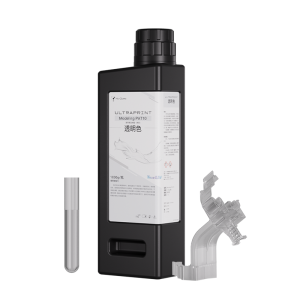

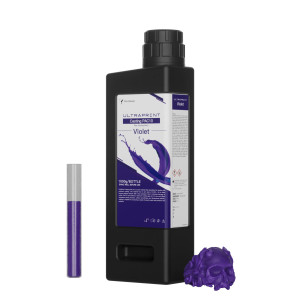
Patterns printed in PAC10 burn out in the kiln and leave a clean cavity.

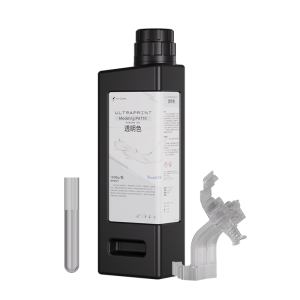
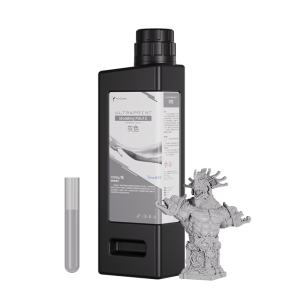
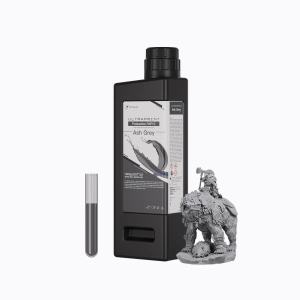
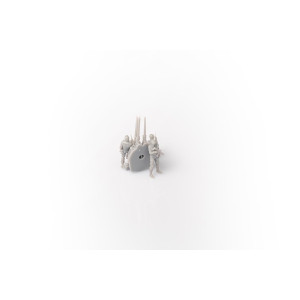
Fine-detail modeling resins such as PAP10 for client approval and size checks.

Print, wash and cure within the HeyGears Reflex ecosystem.

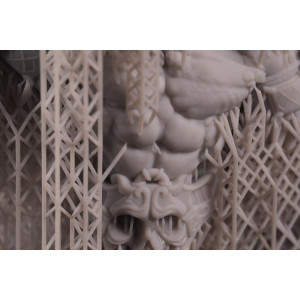
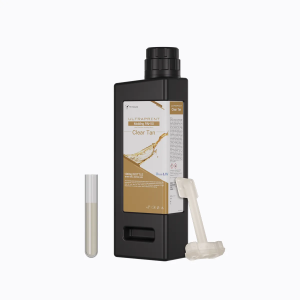
Gray, fine-detail modeling resin.
State on the job sheet whether the model is for presentation or metal production. A grey design model can help review ring proportions, stone seats and the inside diameter. Once the customer approves the design, save the casting revision separately so visual and production approval remain tied to the correct files.
For metal casting, assess a castable material such as PAC10 with the appropriate printer and post-processing profile. Colour and a smooth modelling-resin surface do not establish casting suitability. If an order contains several ring sizes, check the critical feature in each size. A trial of a larger ring alone does not establish how a fine prong or stone seat behaves in a smaller version.
Separate stone-bearing surfaces from areas intended for finishing in the CAD file. Consider support contacts on accessible cleanup surfaces rather than on visible ornament. Review thin loops, small lettering and relief in the slicer's layer preview. Compare how rotating the part changes its support needs.
Record orientation and support cleanup on the first specimen. A removal mark can be seen on the pattern before casting; photograph it and compare it with the metal sample. If finishing removes fine design detail, reconsider the support contact or orientation. Keep photographs of the approved pattern with its file revision before starting a production batch.
Follow the washing, drying and curing procedure for the selected resin. Check enclosed regions for trapped liquid and record the post-processing equipment and programme. Send the material name and preparation record with the casting pattern so the workshop does not need to identify the resin from colour alone.
Agree the investment and furnace route with the foundry. Do not assume PAC10 follows the same programme as another castable material. In the first casting, review stone seats, surface marks and final dimensions. Discuss allowances for subsequent filing and polishing with the production lead. If a defect appears, use separate printing and casting records to trace its origin.
Identify shared critical features instead of evaluating pendants, rings and earrings with one generic preparation. Choose a surface specimen for fine relief and a joint specimen where a connecting loop matters. Record the file and profile during printing, and the alloy and investment during casting. Having the designer and foundry lead inspect the same specimen makes expectations concrete.
If an approved design changes, state whether the revision affects the inside diameter, stone size or ornament. Do not use an earlier metal sample as validation of the revised file. Add the change and comparison result to the production note so the team knows which decisions need review for the next collection.
The Right Resin for Your Jewelry Workflow
Tell us whether you print for casting or for fitting models, and we will choose the resin and printer with you.
About
Jewelry resins turn a jewelry design into a physical model on a 3D printer. Patterns printed in castable resin are invested in plaster and burned out in a kiln for lost-wax casting, then filled with gold, silver or other metals. Modeling resins are used for client presentations, size checks and master models. LCD resin printing preserves fine detail on rings, pendants and earrings. 3D Grande supplies HeyGears Reflex printers and jewelry resins with application support.
In a jewellery workshop, the intended use of the digital model shapes the discussion. A presentation sample lets the customer assess proportions and ornament. A casting pattern lets the workshop review the preparation needed to transfer that geometry into metal. Include the intended use and approval state on the job sheet alongside the file name. Discuss the difference between a coloured mock-up and finished metal jewellery during sample review.
For an enquiry, share an image of the ring, earring or pendant, its critical dimensions and your existing printer. Add a section view where it clarifies a cavity or stone seat. Discussing resin, printer and casting together helps plan handover to the workshop as well as the printing stage.
Related pages: Jewelry 3D printer · HeyGears PAC10 castable resin · Castable resins · AESUB Diamond spray for jewelry scanning