ABS
ABS Print Settings
ABS tends to warp. The Simplify3D guide recommends a 220–250 °C nozzle, a 95–110 °C heated bed and an enclosure; no part cooling fan is needed. Ventilate, as it can smell while printing. See product pages for exact values.
How to Choose ABS Filament
Outdoors
Choose ASA instead of ABS for parts in the sun.
How to Prevent ABS Warping and Cracking
ABS shrinks as it cools, but lifting at a wide base and cracks higher in the body require different checks. For lifting, review the build surface, first layer and contact area. For upper cracks, assess temperature changes around the print and layer bonding. Start with the specific ABS series profile in both cases. A single temperature increase does not explain every cause.
Prusa describes the importance of thermal shrinkage and a stable environment in large ABS prints. Assess an enclosure under the printer's own operating requirements rather than adding improvised heaters. Treat ventilation separately from enclosure choice. Photograph where the problem begins and compare it with the slicer preview. Separate records of first-layer faults and upper-body separation help identify the setting to investigate next.
Printing Housings and Assembly Tools in ABS
A housing may need acceptance checks on its lid, screw bosses and cable openings. Plan orientation around these faces and loading direction. Review a wide flat base for shrinkage and a tall thin wall for layer bonding, including the surface exposed after support removal. Assess assembly clearance on a finished specimen as well as in CAD.
Identify which feature changed before scaling the whole model to correct dimensions. Record bore, body and lid dimensions from consistent references. Avoid combining geometry and material changes in one trial. Review repeated opening and closing against the actual use requirement. A general impact-resistance statement alone does not validate long-term behaviour of a fine snap tab.
Standard ABS and Antistatic ABS ESD Compared
Names such as ABS PLUS, ABS PRO and Easy ABS refer to particular manufacturer formulations. Check each profile before transferring a printing recipe across grades. For antistatic applications, read the ABS ESD technical data. For antistatic parts, choose using the manufacturer’s ABS ESD technical data.
Review ASA for exposure to sunlight and weather. When comparing ABS with PETG for heat and impact requirements, include the printer's enclosure, bed and material support. Complete family-level comparisons with verified data for the actual series. A short prototype fit check and a long-service component require different acceptance. Describe the intended duty in the technical discussion rather than inferring durability or lifespan from the series name.
Why 3D Grande?
Distributor and Supplier
Smart Materials 3D and FlashForge distributor for Türkiye; Fiberlogy and Azurefilm supplied by 3D Grande.
Fast Delivery
Shipped within 1 business day, delivered in 2–4 business days across Türkiye.
14-Day Returns
Returns accepted within 14 days; we cover return shipping.
Frequently Asked Questions
Why does ABS warp and crack?
What temperature should I print ABS at?
ABS or PETG?
ABS vs ASA?
Does an enclosure replace ventilation for ABS?
Can every ABS use the same profile?
Should I scale the model immediately to fix dimensional error?
Let's Pick the Right ABS
Tell us your printer and the heat the part will see, and we will recommend an ABS filament.
About
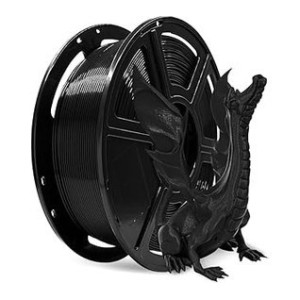
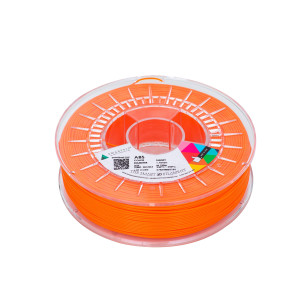
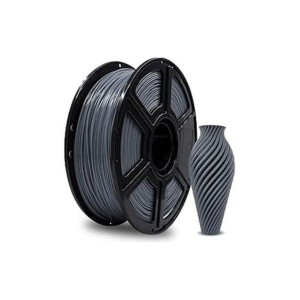
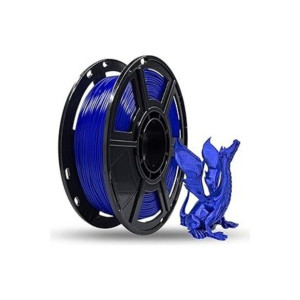
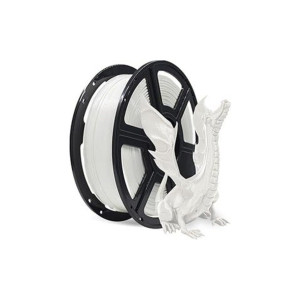
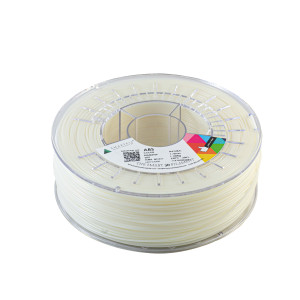
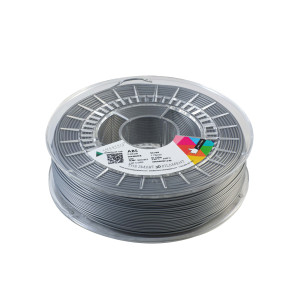
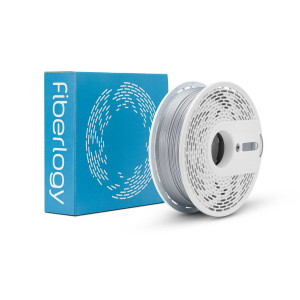
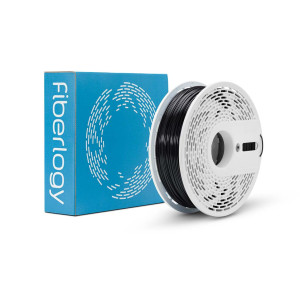
ABS (acrylonitrile butadiene styrene) is a widely used engineering thermoplastic for FDM parts that need impact, wear and heat resistance: housings, fixtures, jigs, automotive interior parts and gears. It shrinks as it cools, so it needs a heated bed and an enclosure, and it can smell during printing. Grades such as ABS PLUS and ABS PRO improve printability and strength, while ESD grades are made for anti-static use. 3D Grande stocks Smart Materials 3D, Fiberlogy, Azurefilm and FlashForge ABS in 1.75 mm and 2.85 mm.
ABS preparation includes part shape as well as material choice. A large box base and a small mounting lug are not equivalent specimens. Select a trial containing the difficult corner, joint and visible face, and include inspection after support removal in the job plan.
State the printer, nozzle diameter and part function in a material enquiry. Add heat exposure, repeated assembly or electronics requirements where applicable. Keeping series, profile and dimensional records with the file makes later revisions comparable with the previous part and keeps production decisions clear.
Related pages: Smartfil ABS · Fiberlogy Easy ABS · FlashForge ABS PRO · ASA filament