Shopping Cart
There are no more items in your cart
.jpg)
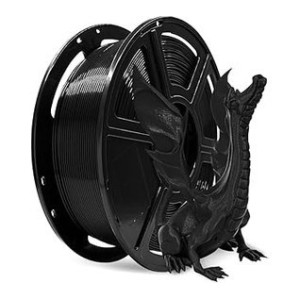
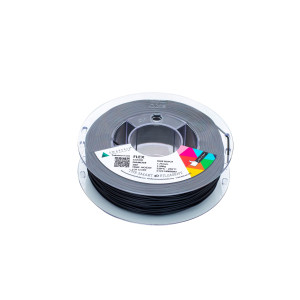
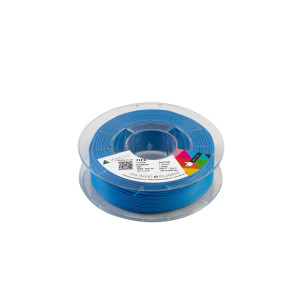
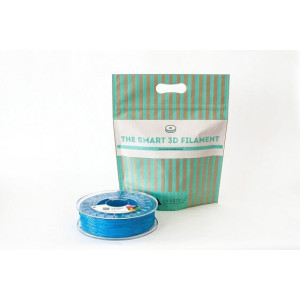
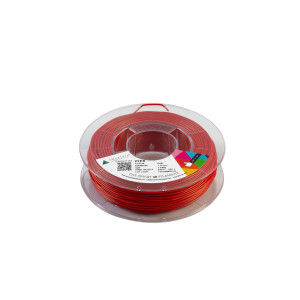
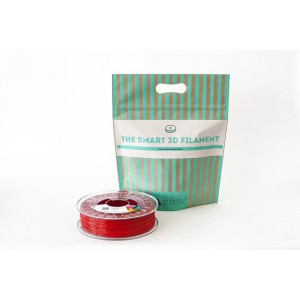
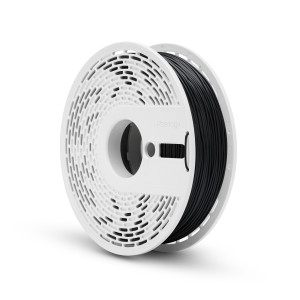










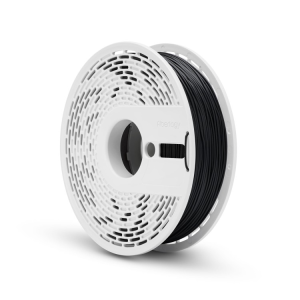
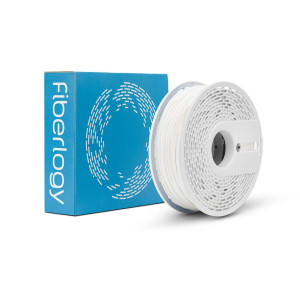
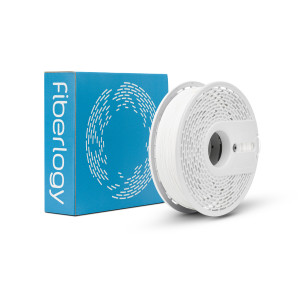


For parts that bend, compress and spring back.
Bumpers, feet and gaskets.
From 93A, 95A and 98A to 30D and 40D.

Flexible filaments keep well, per the Simplify3D guide.
Flexible filament can buckle in the extruder, so a direct-drive extruder is recommended; Bowden setups may struggle. Slow print speeds, low retraction and part cooling help. Use the manufacturer settings on each product page for exact values.
Shore hardness describes the material rather than determining finished-part deflection on its own. Wall thickness, infill and geometry affect flexibility. A thin cover and a thick foot printed in the same TPU can behave differently. Do not rank values directly across Shore A and D scales; read the grades' data under their own test conditions. Review compression under load for a vibration foot and the required movement for a protective bumper. Record specimen dimensions and loading when comparing hardness grades. If two similar-looking parts have different walls or infill, the result cannot be attributed only to material. Mark the direction that must flex. Define sealing requirements separately for a gasket; the TPU name alone does not qualify it for a particular pressure or fluid.

Compare FiberFlex 30D and 40D data and finished-part deflection. Do not rank numbers directly across Shore A and D scales.
Review the feed path with TPU's tendency to buckle in mind. The filament path between the drive gear and hotend must follow the printer’s flexible-filament instructions. Do not assume Bowden compatibility for a grade that recommends direct drive. Check support for TPU in an automatic spool system using that system's own documentation.
Use the maker's loading and short-extrusion checks first. If material bunches near the gear, return to the supported feed setup and speed instead of forcing the motor. Randomly increasing drive pressure or retraction outside the equipment guidance can disrupt flexible-material feeding. Change one variable on the same specimen. Record successful loading and print settings with the hardness grade and recheck when changing series.
If fine strings appear, review the grade profile, moisture condition and deposits on the nozzle. Do not assume standard PLA retraction settings are a remedy. Evaluate temperature and retraction changes separately. Where drying is needed, follow the programme and spool limits specified by the manufacturer. Reduced stringing matters only if layers and extrusion remain sound too.
Long bridges and inaccessible support affect cleanup in a flexible part. Try changing orientation to reduce support demand. Where support remains necessary, assess contact and removal on a small specimen. A cover may prioritise its visible face, while a foot needs a sound loaded base. Compare the specimen with its actual use rather than merely pulling it by hand. Record orientation and support settings to track later changes.
Why 3D Grande?

Smart Materials 3D and FlashForge distributor for Türkiye; Fiberlogy and Azurefilm supplied by 3D Grande.

Shipped within 1 business day, delivered in 2–4 business days across Türkiye.

Returns accepted within 14 days; we cover return shipping.
Pick a TPU for Your Flexible Part
Tell us how flexible the part should be and your printer, and we will recommend a TPU.
About
TPU (thermoplastic polyurethane) is an elastomer filament for soft, flexible parts in FDM printing. Its vibration damping and impact resistance make it popular for gaskets, protective cases, bumpers, feet, straps and wearables. Hardness is given as a Shore value: A-scale TPUs are softer, D-scale grades harder. Because flexible filament can buckle in the extruder, a direct-drive extruder and slower printing are recommended. 3D Grande stocks Smart Materials 3D Smartfil TPU, Fiberlogy FiberFlex and FlashForge TPU.
Describe tactile feel separately from function when selecting a flexible part. A grip may prioritise feel, a foot its loaded height and a cover the movement needed for fitting and removal. State which task the specimen represents. Record orientation and wall definition alongside material hardness.
Include an image, the printer's feeding system and required movement in an enquiry. Add fluid contact or temperature exposure where applicable. The feel of an existing TPU sample can begin a comparison, but it does not establish performance of your own component.
Related pages: Smartfil TPU 93A · Fiberlogy FiberFlex TPU 40D · FlashForge TPU 95A · All filament