Shopping Cart
There are no more items in your cart
.jpg)
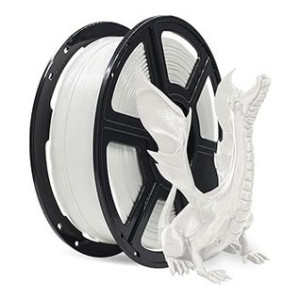
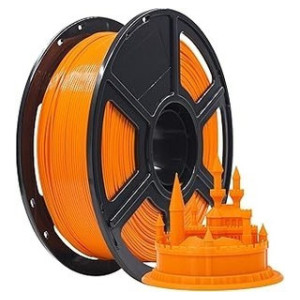
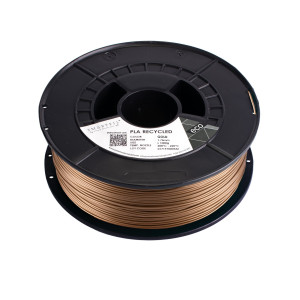

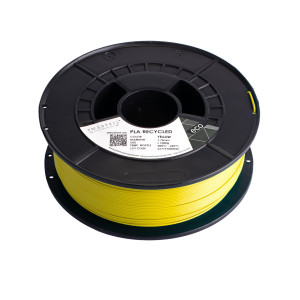

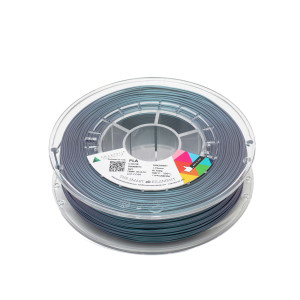

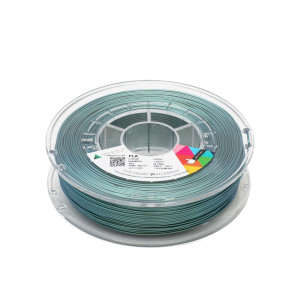


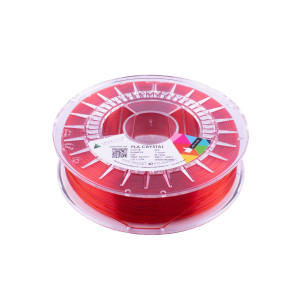
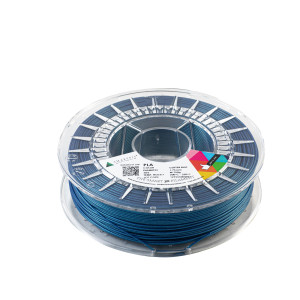
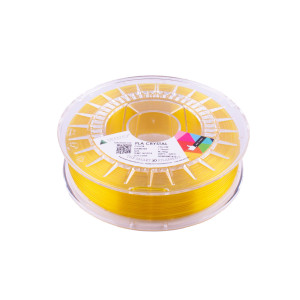


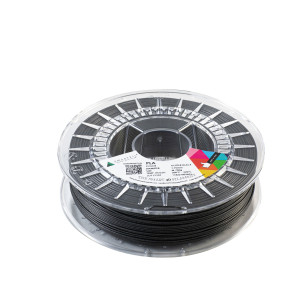

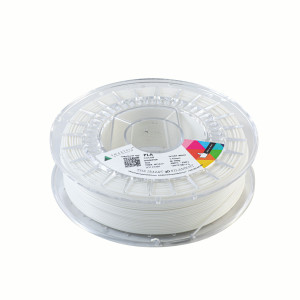
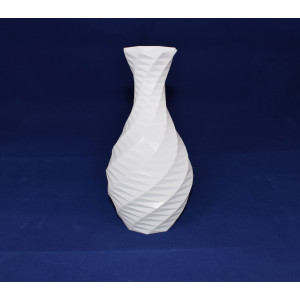
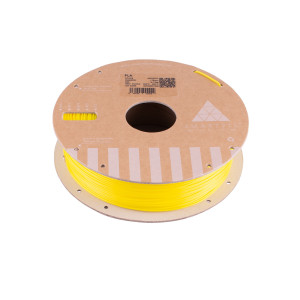
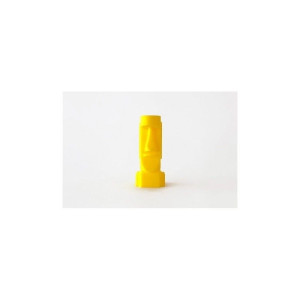
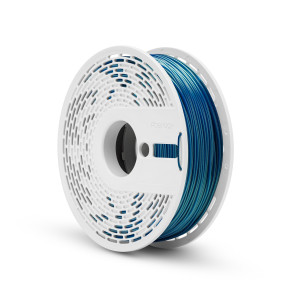
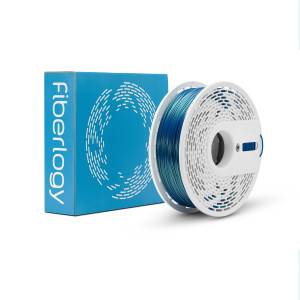


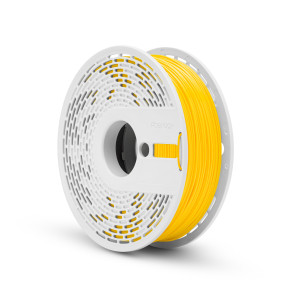
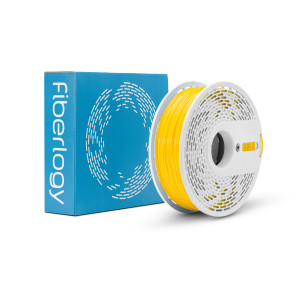
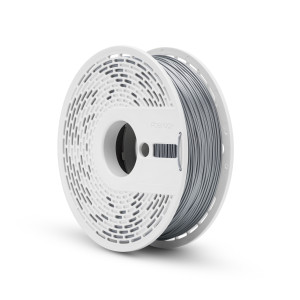

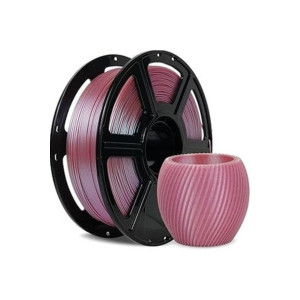
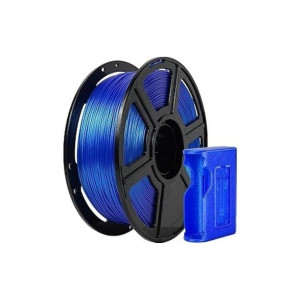
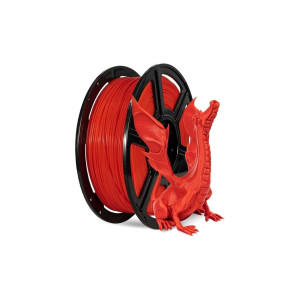
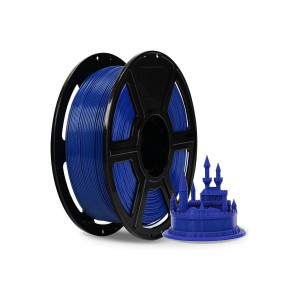
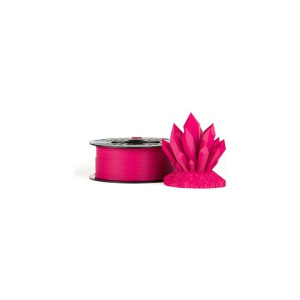
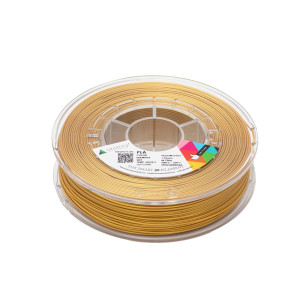
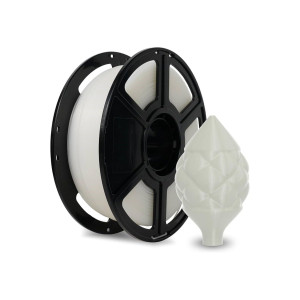

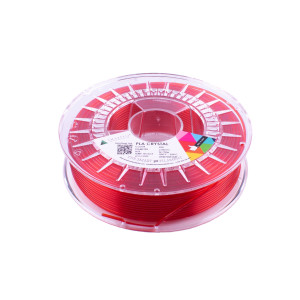
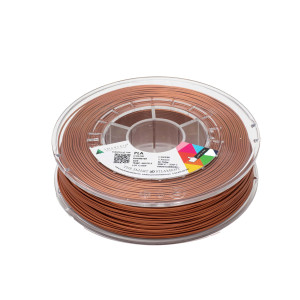

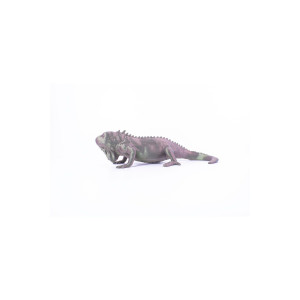
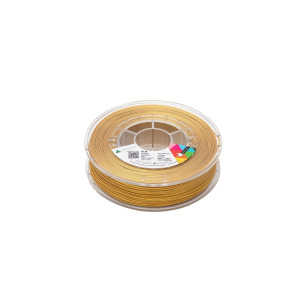
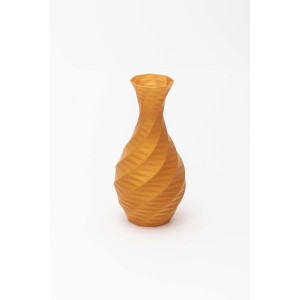
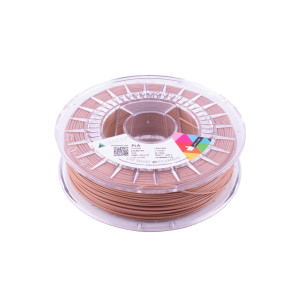
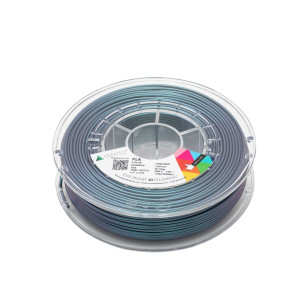

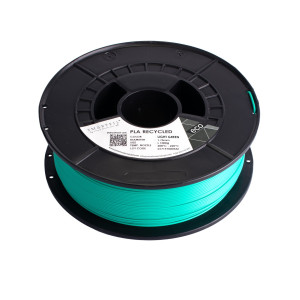

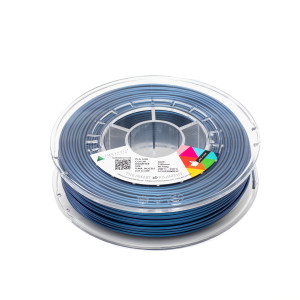


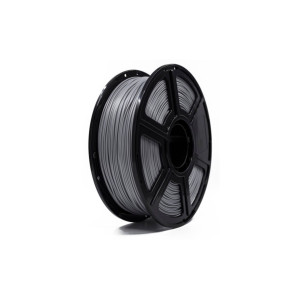
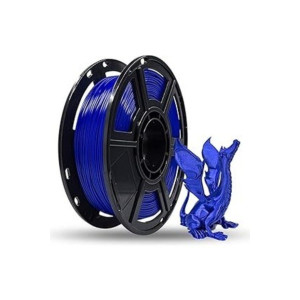
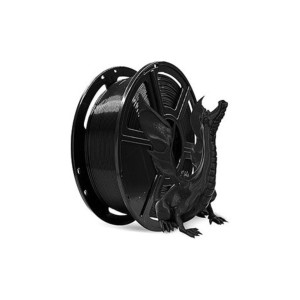

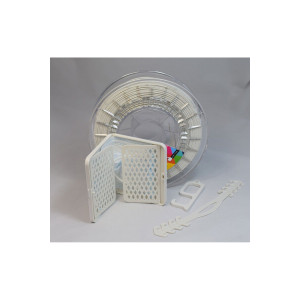


Heated bed optional, no enclosure needed.

Stiff parts that hold their dimensions.

Standard, Silk, Impact and high-speed HS PLA.

Keeps well when stored properly.
The Simplify3D guide recommends a 190–220 °C nozzle and a 45–60 °C bed for PLA; a heated bed is optional, no enclosure is needed and a part cooling fan is required. Exact values vary by grade and are listed on each product page.

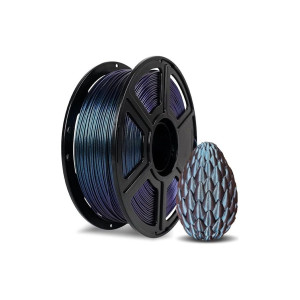
FlashForge HS PLA.
Start with the printer's profile for the chosen PLA series. Follow the build-surface maker's cleaning method and check joined first-layer lines and base edges. A line failing to adhere and insufficient extrusion can be different symptoms. Trial a specimen with the same base and bridge features before printing a large model.
Thin regions on a small figure need time to cool. Review cooling and minimum layer time in the profile. For a sagging bridge, consider rotating the part to shorten the span or adding support. Compare the affected region before changing the whole job. Inspect fine-detail appearance alongside layer bonding so a sharper surface does not hide a protrusion that fails during assembly.
Standard PLA can be a starting point for visual and assembly trials. Silk grades address finish, Impact PLA addresses impact behaviour and HS PLA addresses high-flow printing. These names do not form one performance ranking. Use each product's own profile when comparing the same body in different grades, recording colour and gloss separately from mechanical behaviour.
An architectural model may prioritise facade lines and window openings, a figure facial detail and a fit check holes and clearances. Choose specimens with their later finishing in mind. Check primer compatibility on painted surfaces and contact faces on bonded joints. Modified PLA does not automatically share standard-grade settings. Consult the exact product for nozzle, temperature and speed requirements; a fast printer does not qualify every series for high-flow use.
Review the exact material data for heat, sunlight or repeated loading. A desk model and a holder left inside a vehicle have different exposure. Compare PETG, ASA or engineering grades using the same part description where appropriate. Material names alone do not establish technical suitability.
A fitted lid and correct screw position help assess design during an assembly trial, but this short check does not validate lifespan or temperature resistance. Record the purpose of approval. If the final material changes, review dimensions, flexibility and support cleanup again. Keeping visual approval separate from functional acceptance in the design handover helps prevent misuse of the prototype. Save printer and profile details with the part revision.
Why 3D Grande?

Smart Materials 3D and FlashForge distributor for Türkiye; Fiberlogy and Azurefilm supplied by 3D Grande.

Shipped within 1 business day, delivered in 2–4 business days across Türkiye.

Returns accepted within 14 days; we cover return shipping.
Let's Pick the Right PLA
Tell us your printer and the part you need, and we will suggest a PLA series and colour.
About
PLA (polylactic acid) is the most widely used filament in FDM 3D printing. Low print temperatures, negligible warping and no need for an enclosure make it the first choice for beginners and fast prototyping. It produces stiff, dimensionally accurate parts; because its heat resistance is low, choose ASA or PETG for hot or sunny environments. PLA grades add silky finishes, impact resistance, high-speed printing and special color effects. 3D Grande stocks Smart Materials 3D, Fiberlogy, Azurefilm and FlashForge PLA in a wide range of colors.
State who will receive the PLA model and why. An educational model may prioritise a readable surface, a figure fine detail and a design mock-up dimensions. A glossy presentation grade and a grade trialled for repeated assembly do not share the same acceptance. Keep each specimen's purpose explicit in the file or job note.
Match filament diameter and spool arrangement to the feeder. For refill, check that the filament winding fits the reusable spool. Store unused material according to its instructions and secure the end. If the next print differs, review profile, series and storage history together to connect adjustments with a specific symptom.
Related pages: Smartfil PLA · Fiberlogy Easy PLA · Fiberlogy Impact PLA · High-speed PLA · PETG filament